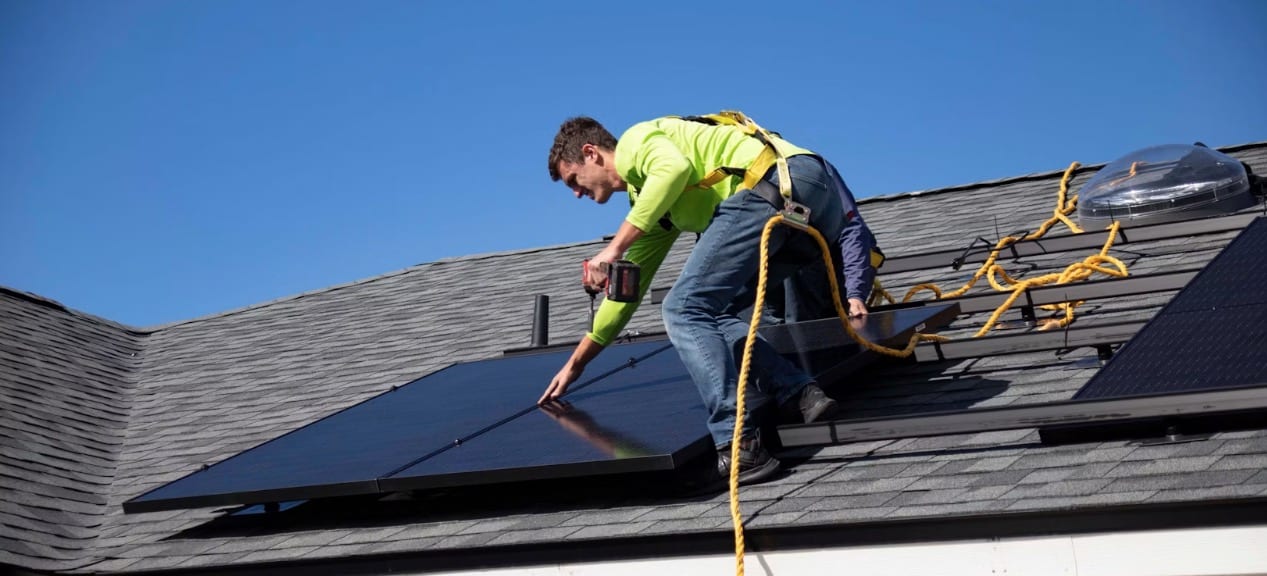
Solar panels are showing up on more and more rooftops across Middle Tennessee — and for good reason. But with a typical system running around $30,000, that’s a serious investment sitting on top of your house. So it’s smart to ask: does your homeowners insurance actually protect it?
The short answer for most homeowners is yes — but there are important details you’ll want to get right before the installers show up.
How Home Insurance Typically Treats Solar Panels
When solar panels are mounted to your roof, most standard homeowners policies treat them as part of the dwelling itself — just like your roof, siding, or attached garage. That means they’re generally protected against the same covered perils as the rest of your home, including:
- Wind and storm damage
- Hail
- Fire
- Theft
- Vandalism
If a covered loss damages your panels, your policy would typically pay to repair or replace them, subject to your deductible and coverage limits.
What’s NOT Covered
Here’s where homeowners get tripped up. Standard policies cover sudden, accidental damage — not gradual deterioration. Panels that lose efficiency over the years, wear out, or fail because of skipped maintenance aren’t an insurance issue. That’s the trade-off to understand going in: insurance protects against the unexpected, not the inevitable.
Will Solar Panels Change Your Premium?
Possibly — and it’s usually not because insurers dislike solar. It comes down to two things:
Your Home Is Now Worth More to Rebuild
If you add a $25,000 solar system to your home, you’ve increased what it would cost to rebuild your home after a total loss by roughly that amount. Your dwelling coverage limit needs to keep up, and your premium may adjust to reflect it. That’s not a penalty — that’s your coverage doing its job.
Where You Live Matters
Middle Tennessee sees its share of severe storms and hail. Insurers factor regional weather risk into pricing, and rooftop panels add more surface area exposed to that risk. The important thing is making sure your coverage reflects reality — not hoping the numbers work out after a storm.
Talk to Your Agent BEFORE You Install
This is the single most important step, and it’s the one homeowners skip most often. Before you sign a solar contract (or immediately after installation at the latest), call your insurance agent. Here’s what that conversation accomplishes:
- Confirms whether your policy covers the panels as part of your dwelling or needs an adjustment
- Makes sure your coverage limits reflect your home’s new replacement cost
- Identifies any gaps before you need the coverage — not after
Five minutes on the phone now can save you a five-figure headache later.
If Your Solar Panels Are Damaged: 3 Steps
If a storm, fire, or falling limb damages your panels, the process looks like most other homeowners claims:
- Document everything. Take photos and video of the damaged panels — plus any damage to your roof or surrounding property.
- Call your agent first. Before you file anything with the insurance company, talk to your agent. (More on why below.)
- Provide the details. When and how the damage happened, what caused it, and how extensive it is.
One more tip: keep your original purchase receipts, warranty paperwork, and installation contracts somewhere safe. That documentation establishes the value of your system and can significantly speed up a claim.
Protecting Your Panels Between Storms
A little prevention goes a long way toward keeping your system covered, efficient, and claim-free:
- Keep panels clear of debris. Leaves, branches, and dirt reduce efficiency and can cause damage over time.
- Trim nearby trees. Overhanging limbs are the number-one threat to rooftop panels during Tennessee storms.
- Inspect after severe weather. A quick look from the ground (binoculars work great) can catch loose mounting hardware or cracks early.
- Consider surge protection. Lightning and power surges can fry the electrical components — often the most expensive parts to replace.
- Schedule professional inspections. Periodic checkups keep your system running safely for its full expected lifespan or longer.
The Bottom Line
Most homeowners policies will cover roof-mounted solar panels — but “most” and “will” are doing a lot of work in that sentence. The only way to know your specific investment is protected is to have a real conversation with an agent who knows your policy, your home, and your situation. Whether you’re still shopping for solar or the panels are already soaking up sun, now is the right time to review your coverage.
At Benton Insurance, WE’RE HERE and READY TO HELP!! Let’s ensure you are protected for all of life’s circumstances.
- Need coverage or need to update your coverage… we make it easy because we answer our phones with friendly, understandable voices WHO KNOW YOU ….
- Need to file a claim. CALL US BEFORE you file a claim. We can save you money and time. – almost every time. We can help you cut through all of that.
- Know someone who needs what we offer? Send them our way (615.377.1212 or info@BentonWhite.com), and we’ll treat them as we would want to be treated.
- Contact Benton White Insurance today to schedule your comprehensive insurance coverage review.
- TEXT or CALL us at 615.377.1212 or EMAIL us at info@BentonWhite.com. Our website was designed for ease and quickness – BentonWhite.com. That’s your 24/7 avenue for almost everything we do.
Let us know how we can help you as we ‘earn’ your business!