5 location-based factors that influence pricing (and what you can actually do about them)
Read time: 4–5 minutes
If you’ve ever asked, “Why is my homeowners insurance more expensive than someone else’s down the road?” — you’re asking the right question.
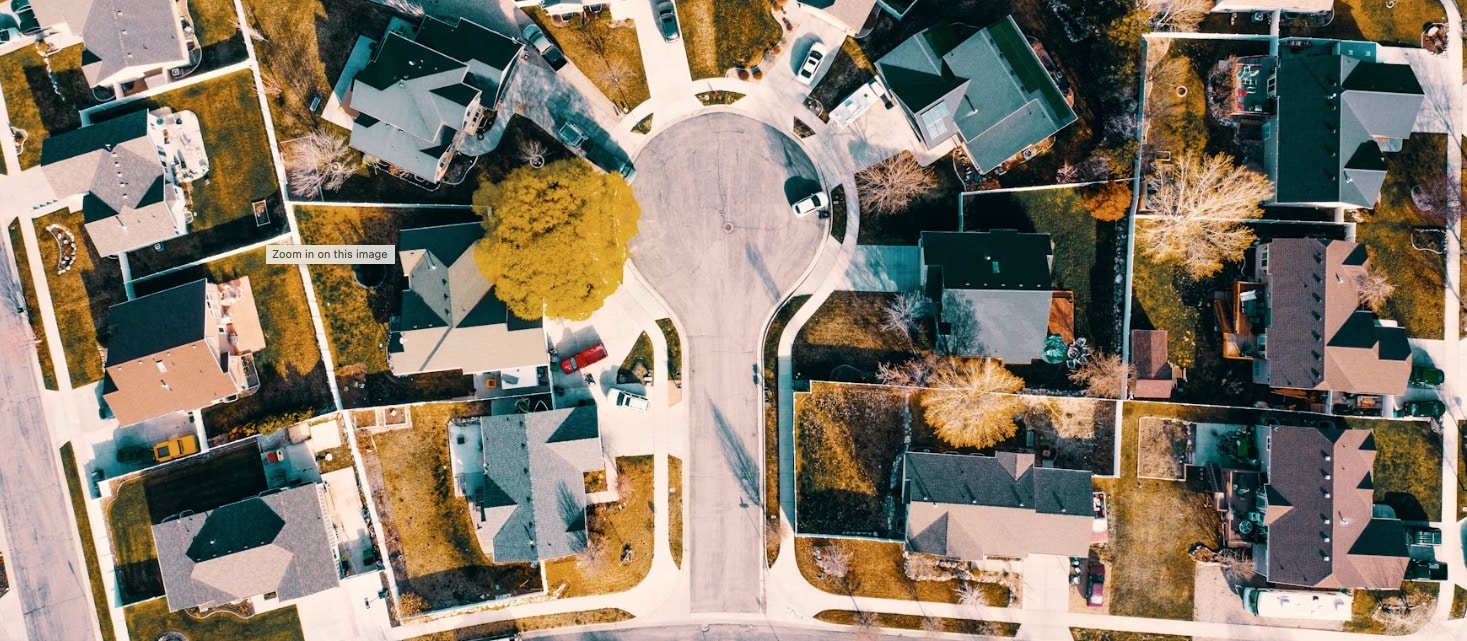
Insurance companies don’t price homes in a vacuum. Your address is one of the strongest predictors of future claims, because it tells an insurer a lot about what your home is exposed to: storms, fire protection, theft risk, rebuilding costs, and even how insurance rules work in your state.
Below are five big ways location impacts homeowners insurance rates, plus practical steps you can take to protect your home and potentially improve pricing.
1) Weather risk in your region
Weather is one of the biggest drivers of home insurance losses nationwide, especially the kind of “big-ticket” events that can damage an entire neighborhood.
Depending on where you live, insurers may price for higher likelihood of:
- Tornadoes or severe storms
- High wind events
- Hail damage (often roof claims)
- Freeze-related losses (like burst pipes in hard winters)
What this means for homeowners: two homes can be similar, but if one sits in a higher-risk storm zone, the premium can differ significantly.
2) Flood exposure (and why homeowners insurance usually won’t cover it)
This is one of the most misunderstood parts of home insurance:
Standard homeowners insurance typically doesn’t cover flood damage.
If your home is near a river, coast, or in a flood plain, you may need separate flood insurance to be properly protected.
Practical tip: even if you’re not in a high-risk flood zone, it’s worth asking about flood exposure and options. Flood losses are the kind of surprise that can be financially brutal.
3) Crime rates in your area
Location affects pricing in more “day-to-day” ways too.
Neighborhood theft and vandalism rates can influence premiums, because higher property crime typically means more claims.
What you can do: security devices and monitoring don’t change your neighborhood, but they can reduce risk and sometimes qualify you for discounts depending on carrier.
4) Fire protection and distance to emergency services
This one surprises people: how close you are to fire protection can materially affect rates.
Insurers look at things like:
- Distance to a fire station
- Distance to a hydrant / water source
- Local fire protection capabilities
Some communities are also graded on fire protection quality (often referenced via ISO Public Protection Classifications).
Bottom line: quicker response times can reduce the severity of fire losses, which can translate into better pricing.
5) Local rebuilding costs and building codes
Even if risk is identical, the cost to rebuild in your area can make premiums higher.
Insurers price based on what it would cost to restore the home after a major loss, and that’s shaped by:
- Local labor and material costs
- Demand spikes after major storms
- Code requirements that can increase rebuild cost
This is why metro areas with higher construction costs can see higher rates than places where rebuilding is less expensive—even within the same state.
Bonus factor: state regulations and the insurance market
Insurance is regulated state-by-state, and that can affect:
- How rates are approved
- Which coverages are common
- Carrier competition (some carriers pull back in certain markets)
So yes — simply crossing a state line can change pricing and options.
What you can do about location-based costs
You can’t pick up your house and move it (usually). But you can control a few things that matter:
- Shop intelligently. Different carriers weigh location factors differently, and some specialize in certain types of homes/areas.
- Harden the home. Roof upgrades, mitigation steps, and preventive maintenance can reduce risk.
- Review deductibles. Especially if you have wind/hail or percentage deductibles, make sure they match your emergency fund.
- Ask about exclusions/needed add-ons. Flood is the big one, but water backup and ordinance/law coverage are also worth discussing.
We are here for you
Location-based pricing can feel unfair until you understand what’s happening: insurers are pricing the probability and severity of a future claim, and geography contains a lot of that story.
If you want a clean, practical review of your homeowners policy (and options across carriers), Benton White Insurance can help you understand what’s driving your premium and where there may be room to optimize without sacrificing protection.
At Benton Insurance, WE’RE HERE and READY TO HELP!!
Let’s ensure you are protected for all of life’s circumstances.
- Need coverage or need to update your coverage… we make it easy because we answer our phones with friendly, understandable voices WHO KNOW YOU ….
- Need to file a claim. CALL US BEFORE you file a claim. We can save you money and time. – almost every time. We can help you cut through all of that.
- Know someone who needs what we offer? Send them our way (615.377.1212 or info@BentonWhite.com), and we’ll treat them as we would want to be treated.
- Contact Benton White Insurance today to schedule your comprehensive insurance coverage review.
- TEXT or CALL us at 615.377.1212 or EMAIL us at info@BentonWhite.com. Our website was designed for ease and quickness – BentonWhite.com. That’s your 24/7 avenue for almost everything we do.
Let us know how we can help you as we ‘earn’ your business!
Disclaimer
This article is for general informational purposes only and does not replace your policy language. Coverage, eligibility, rates, and discounts vary by carrier and state, and all claims are subject to the terms, conditions, exclusions, and limits of the policy.
Content credit
This blog post was written by Benton White Insurance using general educational insurance material as inspiration, with topic credit to Alyssa Little (“5 Reasons Why Location Affects Home Insurance Rates,” last updated March 5, 2026).