Few things spike your stress faster than hearing water where it shouldn’t be—especially when it’s coming from a pipe that’s just let go. After the immediate panic (“How do I stop this?”), the next question is almost always:
“Will my homeowners insurance cover this?”
In many cases, yes—home insurance often covers sudden, accidental water damage from a burst pipe. But there are important exceptions, and the details matter. Here’s a clear, real-world breakdown.
The short answer (at a glance)
- Typically covered: Water damage from a burst pipe that is sudden and accidental.
- Often not covered: Damage related to neglect, long-term leaking, or wear-and-tear.
- Common surprise: Your policy may pay for damage caused by the water, but not the pipe repair itself.
- Frozen pipe claims: Often covered if you took reasonable precautions (heat on, winterized, etc.).
When home insurance usually covers burst pipes
Most standard homeowners policies cover water damage when the event is unexpected and accidental. Coverage may apply through a few key parts of your policy:
1) Dwelling coverage (damage to the home itself)
If water damages structural parts of the home, dwelling coverage may help pay to repair or replace things like:
- Drywall and ceilings
- Flooring (hardwood, carpet, tile)
- Cabinets and built-ins
- Insulation
- Framing or subfloor that must be removed and replaced
2) Personal property coverage (damage to your belongings)
If your furniture, clothes, electronics, or other personal items are damaged by the water, your policy may help replace them—up to your limits and depending on your coverage type (actual cash value vs. replacement cost).
3) Loss of use / additional living expenses
If the damage is severe enough that you can’t safely live in the home during repairs, loss of use coverage may help with:
- Temporary housing
- Increased food costs (above normal)
- Other necessary living expenses while the home is restored
A quick example of a “covered” burst pipe situation
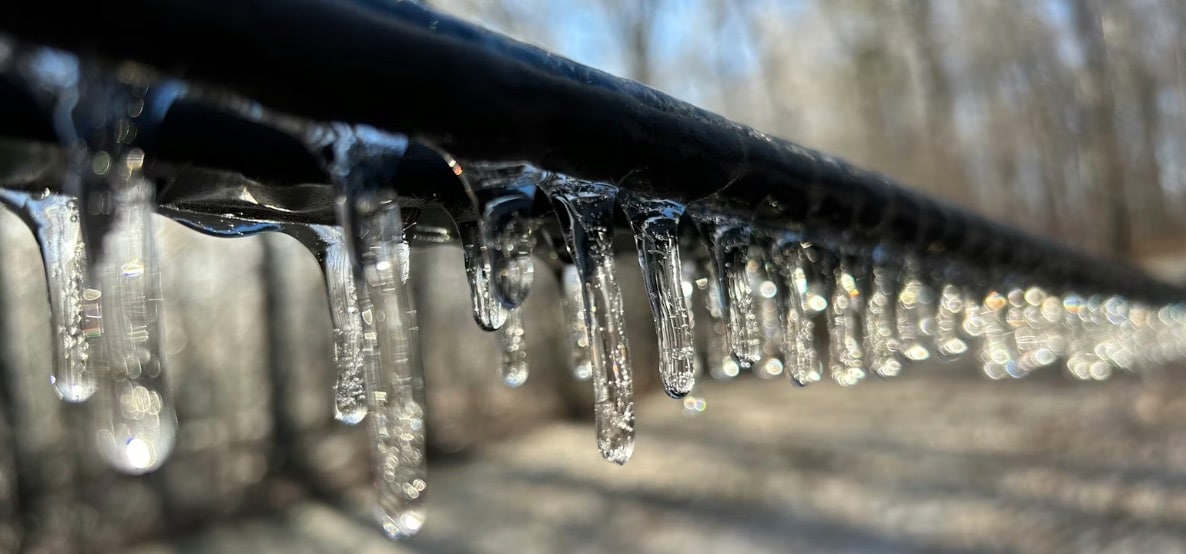
It’s a cold snap. A pipe in an exterior wall freezes and bursts overnight. Water runs into the kitchen, soaking cabinets and flooring. You shut off the water quickly, document everything, and report it.
Because that’s typically considered sudden and accidental, the resulting water damage is often covered (subject to policy terms and deductibles).
When burst pipes may NOT be covered
This is where most claim denials (or partial denials) tend to happen.
1) Long-term leaks, deterioration, or lack of maintenance
Insurance is designed for unexpected events—not slow problems that build over time. If there’s evidence the issue was ongoing, an insurer may deny the claim or limit what they pay.
Examples that can create problems:
- A slow drip you ignored for months
- Corroded plumbing that finally failed
- Repeated “band-aid” fixes instead of repair
Important nuance: Even when the pipe itself isn’t covered, some policies may still cover sudden damage that results, depending on the situation.
2) Frozen pipes—when reasonable precautions weren’t taken
Frozen pipe damage is often covered if you took reasonable steps, like:
- Keeping heat on
- Winterizing a vacant home
- Maintaining a safe interior temperature
If a home is left unheated during freezing weather or not winterized, the carrier may argue it wasn’t accidental—it was preventable.
3) The pipe repair itself
This is a big one: many policies cover the damage caused by the water, but not the cost to repair or replace the actual pipe that burst.
So you may get help with drywall, flooring, and cleanup—but you may still pay out of pocket for plumbing repairs.
4) Flooding from outside the home
Homeowners insurance generally doesn’t cover flood (water coming from outside—rising water, storm surge, overflowing waterways). That typically requires separate flood insurance.
What to do immediately if a pipe bursts
The first 30 minutes matters—for damage control and for your claim.
- Shut off the water at the main valve
- Turn off electricity to affected areas if it’s safe (avoid standing water near outlets/panels)
- Prevent further damage
- Move belongings to a dry area
- Use towels, fans, ventilation if possible
- Document everything
- Photos + video of all damage
- Photo of the pipe (if visible)
- Quick list of damaged items with approximate age/value
- Call your insurance company or your agent ASAP
- The sooner you report, the sooner mitigation and repairs can begin
If the damage is significant, you may need a water mitigation / dry-out company quickly to prevent mold and additional damage.
How to help prevent burst pipes (and claim headaches)
Everyday prevention
- Insulate pipes in unheated areas (crawlspace, attic, garage, exterior walls)
- Seal drafts and improve insulation where pipes run
- During deep freezes, open cabinet doors under sinks to circulate warm air
- Keep heat on even when away (many recommend a minimum around the mid-50s)
Maintenance habits
- Fix small leaks early (they often become big ones)
- Look for water stains, corrosion, or damp spots
- Disconnect and drain outdoor hoses before winter
- If your home is older, consider a plumber inspection every few years
Filing a claim: how to make it go smoother
- Report the claim quickly
- Provide clear documentation (photos, video, item list)
- Explain the timeline honestly and consistently
- Keep receipts (mitigation, hotel, repairs, temporary fixes)
- Track who you spoke with and when
Final thoughts
Burst pipes are one of those “it happens fast” home disasters—and insurance coverage often comes down to one question:
Was it sudden and accidental… or was it gradual and preventable?
If you want, Benton White Insurance can help you review your current homeowners policy and identify:
- What water damage is covered
- Any special deductibles (wind/hail, named storm, etc.)
- Whether you have replacement cost coverage for contents
- Gaps that could surprise you in a claim
If you have questions, call us before you file a claim. In many cases, we can help you avoid unnecessary costs and headaches.
Contact Benton White Insurance
Contact Benton White Insurance today to schedule your comprehensive home insurance coverage review. Let’s ensure your home is properly protected for its full value. At Benton White Insurance, we ask that you call us BEFORE you file a claim. We can save you money and time. – almost every time. We can help you cut through all of that. THANK YOU for your trust in what we do. We’re here to help. Let us help you if you have a claim. We will make it much easier for you, for sure.
TEXT or CALL us at 615.377.1212 or EMAIL us at info@BentonWhite.com. Also, on our website – BentonWhite.com, you can get more claim information and file a claim from the site. Let us know how we can help you as we ‘earn’ your business!
Benton White Insurance
Protecting Middle Tennessee Homes and Families with Comprehensive, Customized Coverage
This article is for general educational purposes and does not change or replace your policy language. Coverage depends on your carrier, endorsements, exclusions, limits, and the facts of the loss. Always refer to your policy declarations and contract for specific terms.