
If your home insurance premium went up again this year, you’re not imagining things – and you’re not alone.
But there’s actual good news buried in the 2026 numbers, and it’s worth understanding before your renewal date shows up. Premiums are still rising, but the pace has cooled dramatically. Here’s where things stand at the halfway point, what’s likely coming in 2027, and what you should be doing right now.
The Short Version
- Premiums are on track to rise about 4% in 2026 – a sharp slowdown from 2025’s roughly 12% jump
- Falling reinsurance costs are finally easing pressure on rates
- Severe storms, hail, and wind remain the most expensive problem in the industry – and that hits Tennessee directly
- The single best move you can make is reviewing your policy before renewal, not after
Where the Market Stands at Mid-Year
After several genuinely rough years, the market has steadied. The average annual premium nationally is projected to land around $3,057 by the end of 2026 — up roughly 46% since 2021, which is about three times the pace of inflation.
That’s the headline number. Underneath it, things are actually improving. Reinsurance — the coverage insurance companies buy to protect themselves against catastrophic losses — has been getting cheaper since 2024. At the June 2026 renewals, risk-adjusted property-catastrophe reinsurance rates fell another 10–25% depending on the program.
Those savings take time to work their way down to your bill. But they’re the main reason rate increases are slowing instead of accelerating.
Will Rates Keep Rising Into 2027?
For most homeowners, yes — just more gently than they have been.
Two forces are still pushing costs up:
- Construction and labor costs. What it takes to rebuild a home has climbed sharply, and your coverage has to keep up with that number.
- Severe weather losses. Convective storms, hail, and wind keep generating claims at a pace insurers didn’t price for.
And the increases aren’t spread evenly. Some states are looking at double-digit jumps in 2026 — California is projected around 16%, with significant increases also expected in Georgia, New Mexico, and Nebraska. A handful of states may stay flat or dip slightly.
The typical homeowner now pays roughly $900 more per year than they did in 2021. So even a “modest” 4% increase is landing on a bill that’s already historically high. That’s exactly why your renewal deserves a real look this year.
Why This Matters Specifically in Middle Tennessee
Here’s the part of the national story that hits closest to home.
Hurricane-exposed coastal markets are actually stabilizing as hurricane reinsurance costs come down from their 2023–2024 peak. Forecasters even expect a below-normal Atlantic hurricane season this year.
But hail, wind, and tornadoes are a completely different problem. Severe convective storms have become the single most expensive peril in the industry. They don’t follow the hurricane calendar, they’re harder to reinsure, and they hit the middle of the country — including Tennessee — relentlessly.
That’s why hail- and wind-prone regions are still seeing rate increases and tighter eligibility standards even while some coastal markets ease up. If you’ve watched your premium climb while reading that the market is “stabilizing,” this is why.
How AI Is Quietly Changing What You Pay
For decades, premiums leaned heavily on ZIP code averages. That’s changing fast.
Insurers are increasingly evaluating your specific property using aggregated data and, in many cases, aerial photography. Roof condition, tree overhang, outbuildings, debris — things that used to go unnoticed between inspections are now visible from above.
This is accelerating through 2026, and a lot of homeowners will encounter it for the first time at renewal. Regulators are starting to respond — several states now cap how old imagery can be, and California has proposed limiting the use of aerial photos as the sole basis for a non-renewal.
The practical takeaway: the condition of your property now affects your premium more directly than it used to. A neglected roof isn’t just a future repair bill anymore.
What to Do Before Your Renewal Date
The most valuable thing you can do in late 2026 is act before your renewal, not after. Here’s the checklist:
Check Your Dwelling Coverage Limit
This should reflect your home’s current rebuild cost — not its market value. Those are two very different numbers, and construction cost increases have left a lot of homes quietly underinsured. This is the single most common gap we find.
Review Your Risk Profile
Is your area flagged for rate increases or reduced availability? Are carriers tightening eligibility in your county? This is the kind of thing an independent agent can tell you straight — and it’s a lot better to know in advance.
Get the Roof Looked At
Insurers increasingly use property condition to set premiums and make renewal decisions. Knowing where your roof stands before your carrier evaluates it puts you in a much better position.
Consider Protective Upgrades
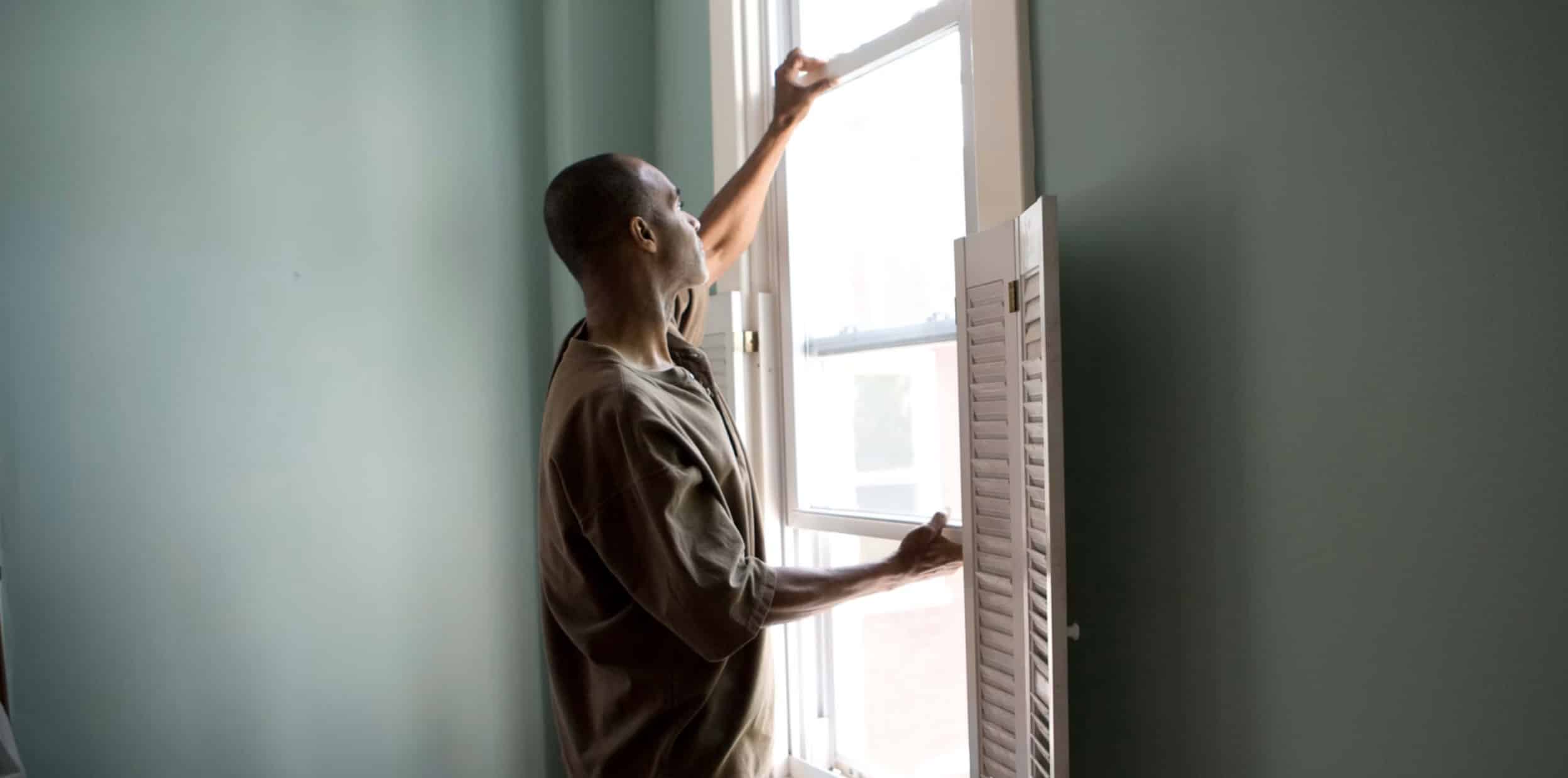
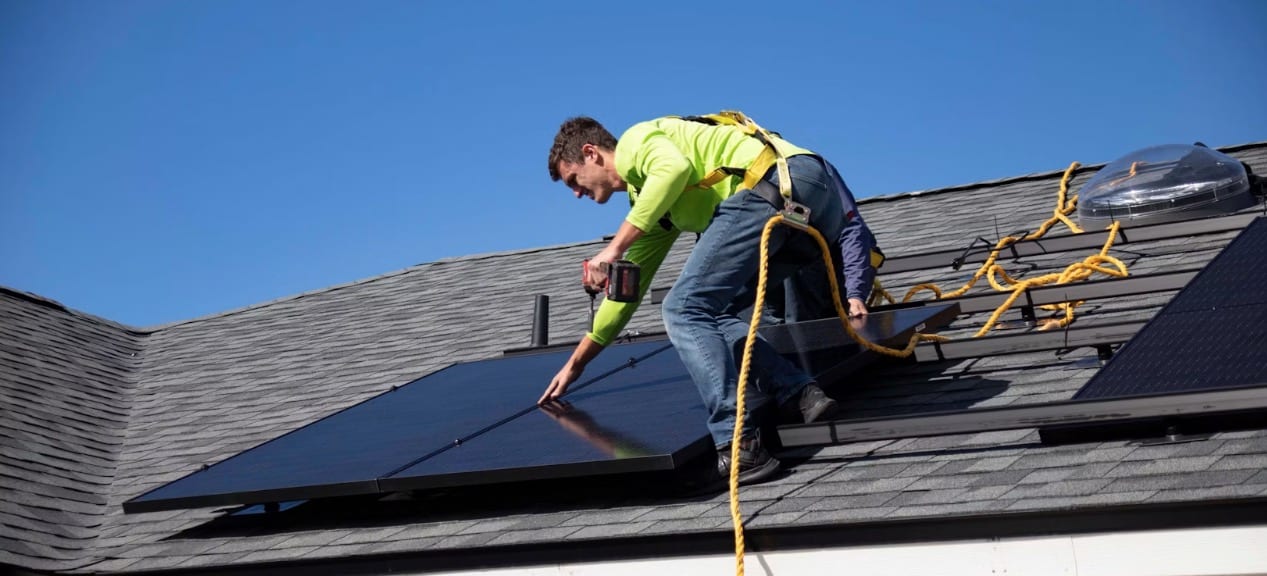
Impact-resistant roofing, storm shutters, updated electrical or plumbing, and monitored security systems can help — sometimes through discounts, and always by preventing the claims that drive future increases.
Know Your Options Before You Need Them
If a carrier pulls back from your area, having researched alternatives beats being forced into whatever’s left.
Before You File Anything — Call Us
One more thing worth saying plainly, especially in a year when every claim affects your future pricing:
If something happens to your home, call us at 615.377.1212 before you file a claim.
Not every loss should become a claim. Sometimes the repair costs less than your deductible. Sometimes there’s a coverage angle you didn’t know you had. Sometimes filing is absolutely the right call — and sometimes it costs you more in future premiums than it pays out today.
We’ll look at your actual policy, your actual deductible, and your actual situation, and tell you honestly which way to go. That conversation saves our clients money and time — almost every time.
The Bottom Line
The market is improving, but slowly and unevenly. Premiums are still rising, property-level underwriting is getting sharper, and severe storm risk isn’t going anywhere in our part of the country.
The homeowners who come out of 2027 in good shape will be the ones who reviewed their coverage on their own schedule instead of reacting to a renewal notice. If it’s been a year or more since anyone walked through your policy with you, now is the time.
When you call Benton White, a real person answers — someone who knows your name, knows your coverage, and can explain in plain English exactly where you stand.
At Benton Insurance, WE’RE HERE and READY TO HELP!!
Let’s ensure you are protected for all of life’s circumstances.
- Need coverage or need to update your coverage… we make it easy because we answer our phones with friendly, understandable voices WHO KNOW YOU ….
- Need to file a claim. CALL US BEFORE you file a claim. We can save you money and time. – almost every time. We can help you cut through all of that.
- Know someone who needs what we offer? Send them our way (615.377.1212 or info@BentonWhite.com), and we’ll treat them as we would want to be treated.
- Contact Benton White Insurance today to schedule your comprehensive insurance coverage review.
- TEXT or CALL us at 615.377.1212 or EMAIL us at info@BentonWhite.com. Our website was designed for ease and quickness – BentonWhite.com. That’s your 24/7 avenue for almost everything we do.
Let us know how we can help you as we ‘earn’ your business!